
Are Peptides Legal? Understanding Counterfeit Peptides, Illegal Sales, and Consumer Risks


Key Takeaways
- Are peptides legal? It depends on the use case: FDA-approved drugs like semaglutide are legal by prescription, but most wellness peptides sold online have never been approved for human use.
- Illegal peptide sales are climbing fastest on social platforms, where sellers use "research use only" labeling to sidestep oversight.
- Most counterfeit peptides trace back to unregulated overseas manufacturing with no batch-level testing or verification at any handoff.
- Fake peptides carry real health risk, including contamination, incorrect dosing, and undisclosed ingredients that only show up after injection.
- Brands can close the authentication gap with product authentication technology instead of relying on packaging or labeling alone.
Peptide use has moved from niche research circles into mainstream wellness culture within a few years. Search interest in peptide products climbed sharply through 2025 and 2026, and demand for compounds like BPC-157 shows no sign of slowing.
This surge has created an opening that counterfeiters are eager to fill. Counterfeit peptides now circulate through online marketplaces, social media storefronts, and informal distribution networks. The fakes are often indistinguishable from legitimate products, unless someone tests what is actually inside the vial.
This article breaks down what current regulations say, why illegal peptide sales keep climbing online, how these fakes work their way into the supply chain, the risks fake peptide products carry for consumers, and how brands can fight back with product authentication technology.
Are Peptides Legal? Understanding Current Regulations
The honest answer is that it depends on the specific compound. As research develops, current regulations are also changing. The following tables are not a definitive substance-by-substance legal ruling for every country, but provide a guide to issues for further investigation:
EU
India
UAE
UK
USA
Almost universally, a handful of peptides, including insulin and GLP-1 drugs like semaglutide, are legal to prescribe by licensed healthcare professionals and for specifically defined conditions. Most other peptides discussed in wellness and longevity circles, such as BPC-157 and TB-500, lack authorization for general availability, which is the real reason so many people keep asking whether peptides are legal in the first place.
These unapproved compounds sit in what regulators call a gray zone. Sellers frequently label products "for research use only" to sidestep drug-approval requirements, even though that label does not make selling them for human use legal.
In the USA, a federal advisory panel voted in mid-2026 to recommend loosening restrictions on several popular peptides, a step that could eventually let licensed compounding pharmacies produce them domestically. Until that recommendation becomes policy, selling most wellness peptides for human use sits outside legal pharmaceutical distribution, the same boundary line Cypheme's work in pharmaceutical anti-counterfeiting is built to defend.
Whether or not peptides are legal remains a live question for any single compound, and buying based on hope rather than verified status is where counterfeit peptides find their opening. That gray zone is exactly where fake peptides thrive, marketed as legitimate research chemicals to buyers who assume a product's legality guarantees its authenticity.
Why Illegal Peptide Sales are Increasing Online
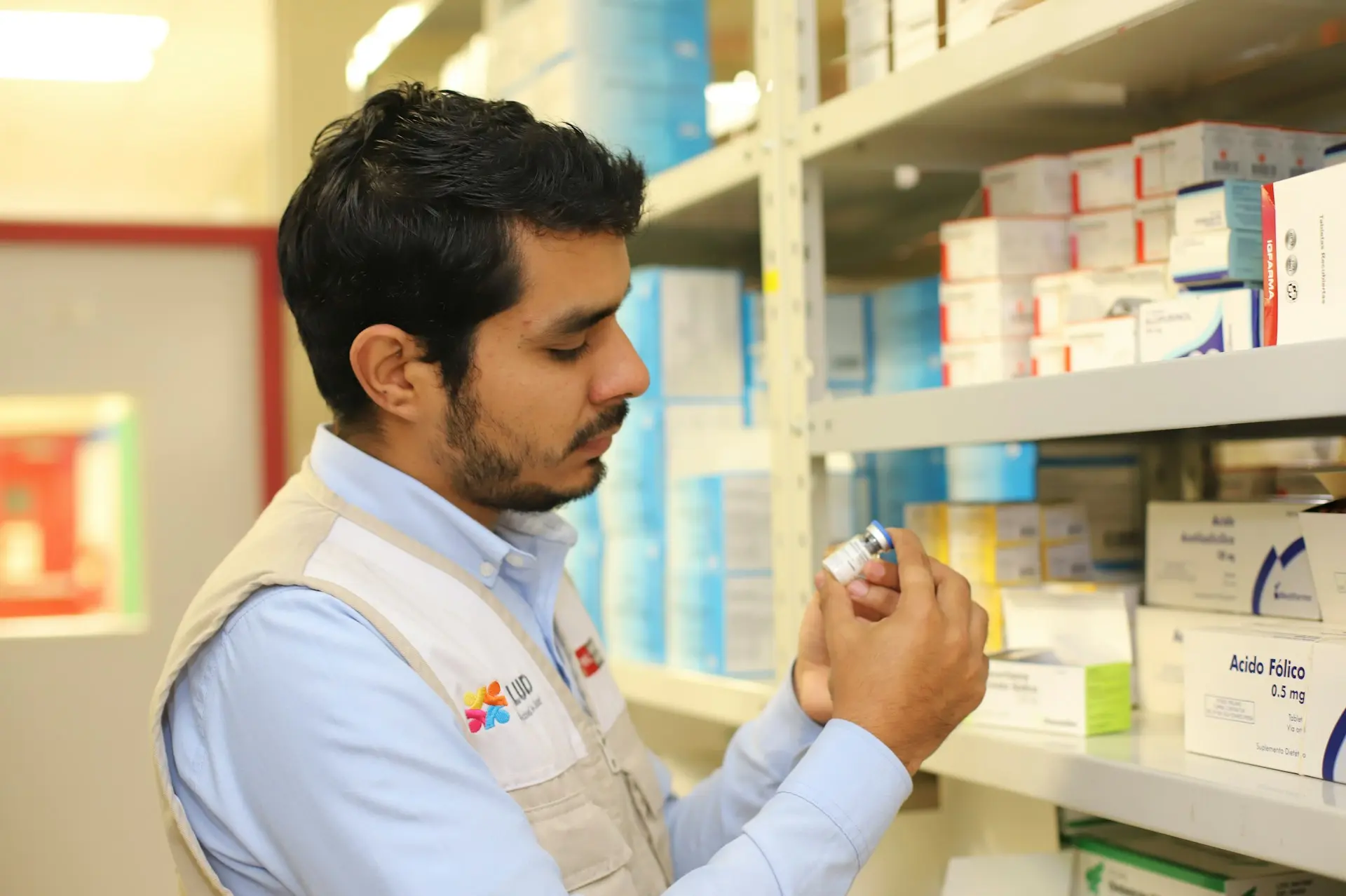
Illegal peptide sales have exploded across social media and e-commerce over the past two years. LegitScript's monitoring found a 308 percent jump in advertising for problematic peptides in 2024 compared to 2023, and marketplace listings tied to unapproved peptides grew 276 percent over five years. Instagram, TikTok, and Telegram sellers now market counterfeit peptides for weight loss, muscle growth, and anti-aging directly to consumers who have never encountered the phrase "research use only."
Economics Explain the Growth
Some compounded peptides are promoted as miracle molecules, providing benefits that pharmaceutical companies have been pursuing for decades, including increased brain function, rapid weight loss, and protection against aging. Both researchers and regulators are struggling to catch up with the claims, leaving open a wide, gray area. Such claims should be carefully considered, but the promised benefits certainly contribute to the widespread interest in these compounds, creating a ready market for counterfeit peptides.
Additionally, a legitimate compounded peptide from a licensed U.S. pharmacy can cost several times more than the same compound sourced through an unregulated overseas vendor, and any seller can open a storefront overnight with no pharmaceutical background. Many buyers also lump these injectable compounds in with the nutritional supplements already sitting in their medicine cabinet, unaware that peptides face a very different, largely unenforced regulatory standard.
Roughly one in seven peptide buyers now purchase through a social media seller rather than a healthcare provider or pharmacy, and that group is far more likely to end up needing emergency care after a bad reaction. That price gap is exactly why counterfeit peptides spread so quickly once a seller realizes almost no one checks the difference.
This growth pattern mirrors what shows up across the broader counterfeit drug market: demand outpaces regulation, sellers move faster than platforms can police them, and consumers are left guessing whether what they bought is safe or simply fake peptides dressed up in convincing packaging.
How Counterfeit Peptides Enter the Supply Chain

Most fakes begin at the same point: a contract manufacturing facility overseas, frequently in China, producing bulk peptide powder with no FDA oversight. From there, the product passes through several intermediaries. A distributor buys in bulk, a repackager splits it into smaller vials, and an online retailer applies its own branding and a research-use disclaimer before the peptide ever reaches a buyer.
Every handoff introduces a new chance for error or fraud. Independent lab testing has found that a significant share of gray-market peptide vials fail to match their label, whether through underdosing, contamination, or substitution of a cheaper compound. No regulatory authority inspects the product at any of those steps, and no single party in the chain is accountable for what ends up in the syringe, which is exactly how counterfeit pharmaceuticals spread as widely as they do.
Pharmaceutical supply chain security depends on being able to confirm, at any point along that path, that a product is what its label claims. Without that verification layer, counterfeit peptides remain an easy target: cheap to produce, simple to relabel, and nearly impossible for a buyer to catch by sight alone. That is how fake peptides move from an overseas synthesis lab into a consumer's shopping cart without anyone checking what is actually inside.
The Risks of Using Fake Peptide Products
The health consequences of fake peptide products range from a wasted purchase to a genuine medical emergency. Injectable peptides bypass the body's normal defenses, so contaminants that cause mild discomfort if swallowed can trigger serious systemic reactions once injected into muscle or under the skin. Endotoxin contamination, incorrect concentrations, and mislabeled compounds have all been documented in independent testing of gray-market peptides.
A Broad Healthcare Crisis
The World Health Organization has long warned that counterfeit medical products carry unpredictable risk, since a buyer has no reliable way to know what a product contains until something goes wrong. Cypheme's research into healthcare's broader anti-counterfeiting crisis found that roughly one in ten medical products in global circulation may be falsified, and peptides sold outside licensed channels face even less oversight than that figure suggests. Every documented case of counterfeit peptides reaching a consumer adds to that already troubling total.
Reputational Damage From Counterfeit Peptides
For brands, the risk runs the other direction. A consumer who has a bad reaction to fake peptides often blames the legitimate brand name printed on the packaging, not the unlicensed seller who diverted or counterfeited the product. That reputational damage, layered on top of the human cost, is why pharmaceutical brand protection has become a priority for any company whose name gets attached to this category of counterfeiting. Brands rarely learn their name is attached to a fake until a customer's reaction forces the question into the open.
How Brands Can Prevent Counterfeit Peptides With Product Authentication Technology
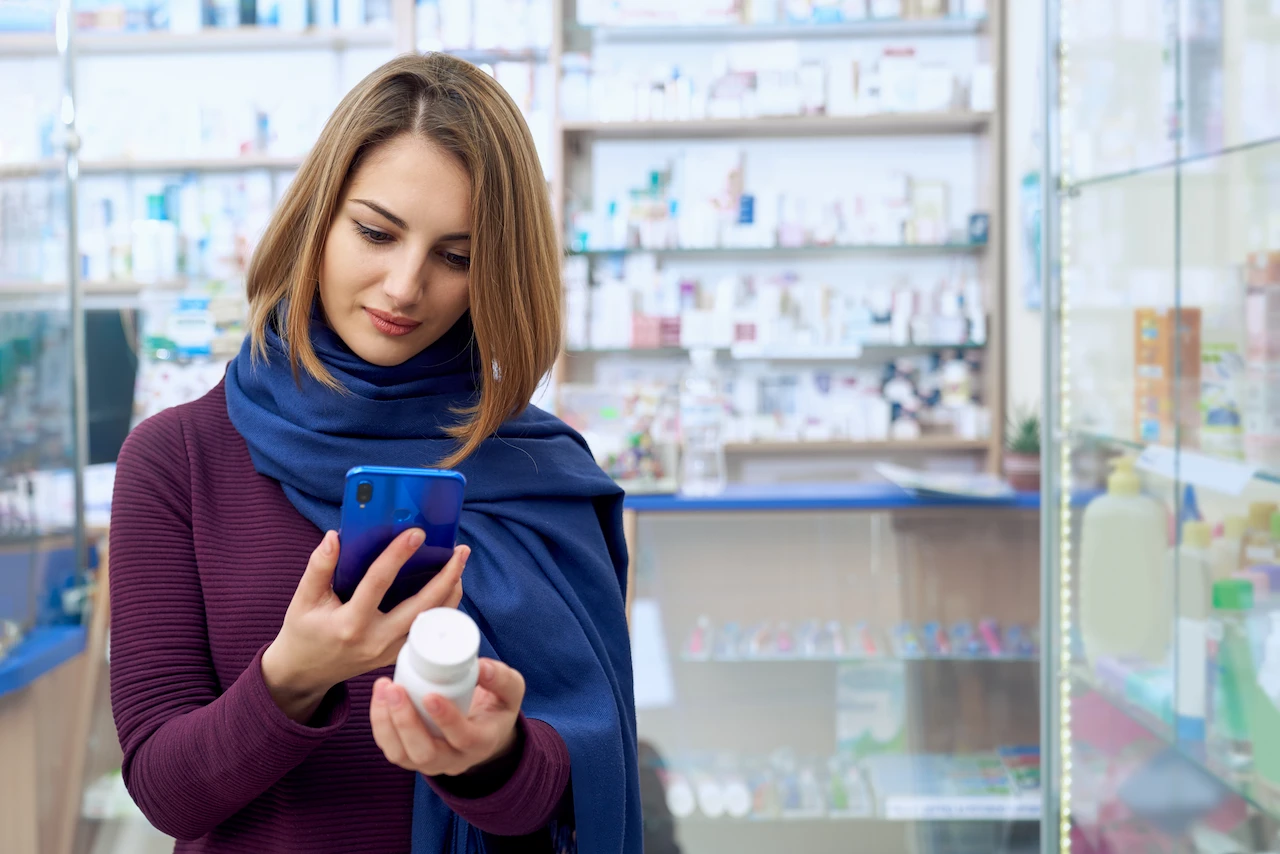
Labeling alone cannot stop a determined counterfeiter. A "research use only" sticker or a printed lot number is trivially easy to copy, which is why counterfeiters keep using them. What actually stops counterfeiting is a verification layer that cannot be duplicated, no matter how sophisticated a counterfeiter's equipment becomes.
Cypheme's Noise Print label answers that problem with AI-powered anti-counterfeiting technology built around a chemically unique signature applied to product packaging. Each label works like a fingerprint: no two are alike, and a neural network trained to recognize the signature can confirm a product's authenticity from a smartphone photo in about five seconds, no app required.
Cypheme's Noise Print label is built to catch fake peptides at the point of sale, not after a consumer has already reacted to one. Even when the answer to whether peptides are legal stays murky for a specific compound, verified authentication removes doubt for both the brand and the buyer.
For pharmaceutical and wellness brands working to stop counterfeiters before they reach a customer, this product verification technology does more than flag a single fake: Every scan captures real-time geolocation data, showing exactly where authentic and counterfeit peptides are entering the market so brands can trace the source and act on what they find. That visibility, paired with Cypheme's product authentication technology, gives brands a way to protect customers and revenue instead of reacting after the damage is done.
Brands ready to stop counterfeit peptides before they reach a customer can request a consultation to see how Cypheme's active anti-counterfeiting technology applies to their own product line.